
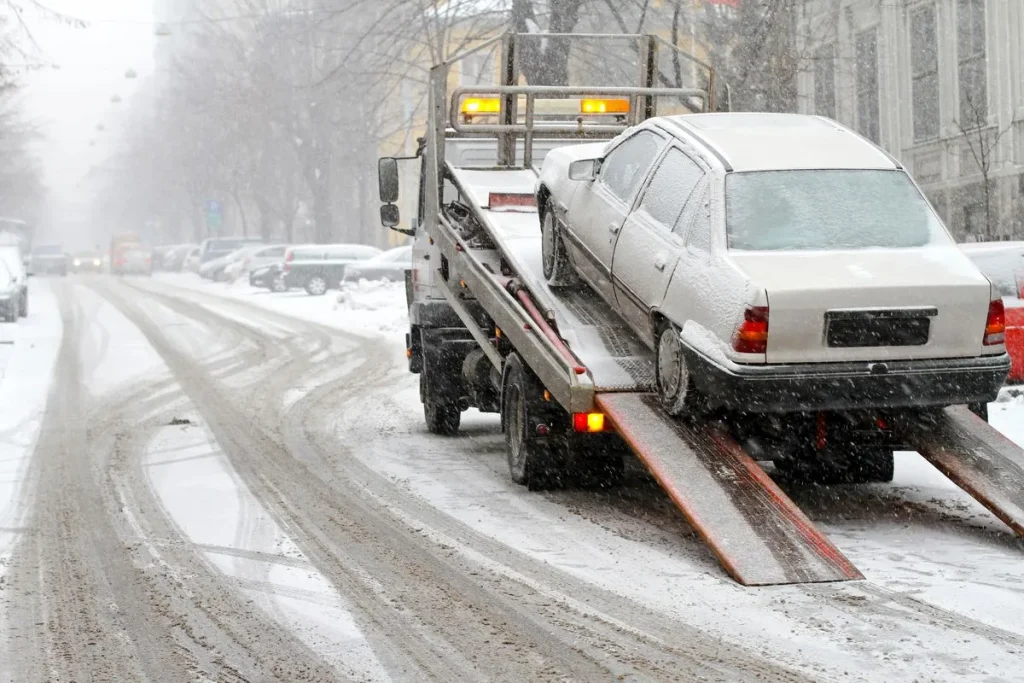
Shipping a vehicle can be much easier when you know what to do before the transport process begins. Whether you are moving to another state, buying or selling a vehicle, relocating for work, or simply need to transport a car over a long distance, preparing your vehicle properly can help make the experience smoother.
At City Line Auto Transport, we understand that your vehicle is an important investment. Taking a little time to prepare it before pickup can help you and the transport team have a clear understanding of the vehicle’s condition and transportation requirements.
Here are some practical steps to follow before your vehicle is transported.
1. Clean Your Vehicle
Start by washing the exterior of your vehicle. A clean car makes it easier to inspect the body for existing scratches, dents, chips, and other visible imperfections.
You do not necessarily need a professional detailing service. A basic exterior wash is usually enough to make the vehicle’s condition easier to see.
Cleaning the interior can also be useful, especially if you need to remove personal belongings.
2. Remove Personal Belongings
Before transportation, remove valuable and personal items from the vehicle.
This can include:
- Clothing
- Electronics
- Important documents
- Jewelry
- Cash
- Luggage
- Tools or other loose belongings
- Items stored in the glove compartment or center console
Personal belongings can move around during transportation and may create unnecessary risk of damage. Keeping the vehicle free of unnecessary items also makes the inspection process easier.
3. Document the Vehicle’s Condition
Take clear photographs of your vehicle before pickup.
Photograph the front, rear, both sides, roof, wheels, windshield, and any existing damage. Take close-up pictures of noticeable scratches, dents, chips, or other imperfections.
It is a good idea to keep these photographs until the vehicle reaches its destination.
Documentation provides a useful visual record of the vehicle’s condition before transportation.
4. Check for Mechanical Issues
Make sure you know about any mechanical problems with your vehicle before pickup.
Inform the transport provider if the vehicle has:
- Starting problems
- Battery issues
- Flat or damaged tires
- Brake problems
- Steering problems
- Fluid leaks
- Other conditions that may affect loading or unloading
If the vehicle is not running, make sure the transport provider knows in advance. Special arrangements may be necessary for loading or unloading a non-running vehicle.
5. Check the Fuel Level
For vehicle transportation, keeping the fuel level relatively low is generally practical. A lower fuel level reduces unnecessary weight while still allowing the vehicle to be moved when necessary.
Follow the specific instructions provided by your auto transport provider regarding fuel levels.
6. Disable or Secure Accessories
If your vehicle has removable accessories, consider removing or securing them before transport.
Examples include:
- Roof racks
- Antennas
- Custom spoilers
- Bike racks
- Removable luggage carriers
- Other loose exterior accessories
If you are unsure whether a particular accessory should remain on the vehicle, ask your transport provider before pickup.
7. Check the Tires
Inspect all four tires and make sure they are properly inflated.
If your vehicle has a spare tire, check that it is properly secured. Also make sure the vehicle’s jack and related equipment are stored securely if they are being transported with the vehicle.
8. Make Sure the Battery Is Secure
The vehicle’s battery should be properly secured.
If you have any concerns about the battery, especially if the vehicle has not been driven recently, address them before pickup.
9. Have the Keys Ready
Provide the appropriate keys required for loading, unloading, and operating the vehicle.
Avoid handing over unnecessary keys, such as keys to your home or office. Only provide the keys needed for the vehicle and any necessary locks or accessories.
10. Keep Important Documents With You
Do not leave important personal documents inside the vehicle.
Keep your identification, registration documents, insurance paperwork, purchase documents, and other important records with you unless your transport provider specifically requests something for the shipment.
Final Thoughts
Preparing your vehicle for transportation does not have to be complicated. A clean vehicle, proper documentation, removal of personal belongings, and communication about mechanical conditions can make the process more organized.
Whether you need open car transport, enclosed car transport, door-to-door auto transport, or state-to-state vehicle shipping, proper preparation is an important part of the process.
If you are looking for auto transport services in Tallahassee, FL, City Line Auto Transport can help you understand the transportation process and determine which service is appropriate for your vehicle.